Article
The impact of regulations on work at height: Preparing for future safety requirements
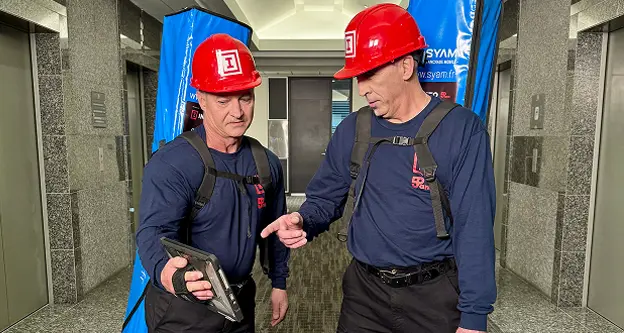
Safety regulations for work at height are constantly evolving, and for good reason. The construction, maintenance, and infrastructure sectors are among the highest-risk industries, and regulators such as the CSA (Canadian Standards Association) and OSHA (Occupational Safety and Health Administration) are continuously strengthening requirements to protect workers. In this context, mobile anchors emerge as a strategic solution to anticipate these new safety standards, ensuring lasting compliance and providing a competitive advantage for companies.
The evolution of height safety standards: a strategic challenge
Current trends show that regulators are moving toward stricter rules for work at height, particularly regarding training, equipment, and monitoring of safety practices. New requirements are increasingly focused on flexibility and the ability of equipment to quickly adapt to diverse and changing work environments. For example, emerging regulations tend to mandate more frequent equipment inspections and enhanced safety audits, especially for temporary installations.
For companies, these changes present both a challenge and an opportunity to demonstrate their commitment to safety. By anticipating these developments, they can not only avoid costly penalties for non-compliance, but also strengthen their reputation and credibility with partners and clients. Implementing mobile anchoring solutions provides companies with a flexible and adaptable way to meet ever-evolving safety standards.
Mobile anchors: a key solution for meeting current and future standards
Unlike permanent anchoring systems, mobile anchors offer unmatched flexibility. They can be installed, relocated, and reused across different sites or projects, allowing companies to adapt to diverse environments and meet safety requirements without the constraints of fixed installations. In ever-changing work environments, mobile anchors enable quick adaptation to new safety standards without the need for costly structural modifications.
ChatGPT a dit : When safety standards are updated for short-term worksites or non-permanent setups, mobile anchors can be easily configured or repositioned to meet the new requirements without disrupting operations. This flexibility allows companies to avoid potential fines and minimize operational interruptions, while ensuring optimal safety for their teams.
A competitive advantage for proactive companies
Adopting mobile anchoring solutions provides companies with a significant competitive advantage. By equipping themselves with devices that comply with current and evolving safety standards, companies demonstrate their ability to respond quickly to compliance requirements, a key asset for standing out in tenders or during safety audits. By showing a proactive commitment to safety and compliance, companies also attract the attention of partners and clients who value working with reliable and responsible providers.
Preparing for future height safety standards is much more than a compliance exercise; it is a strategic choice to ensure team safety and operational continuity. Thanks to their flexibility and adaptability, mobile anchors enable industrial companies to remain compliant with regulations while positioning themselves for future developments. By investing in these solutions, companies protect themselves against penalties, optimize compliance costs, and strengthen their standing in a demanding sector where safety is paramount.
