Article
Is the maintenance of your equipment at height essential?
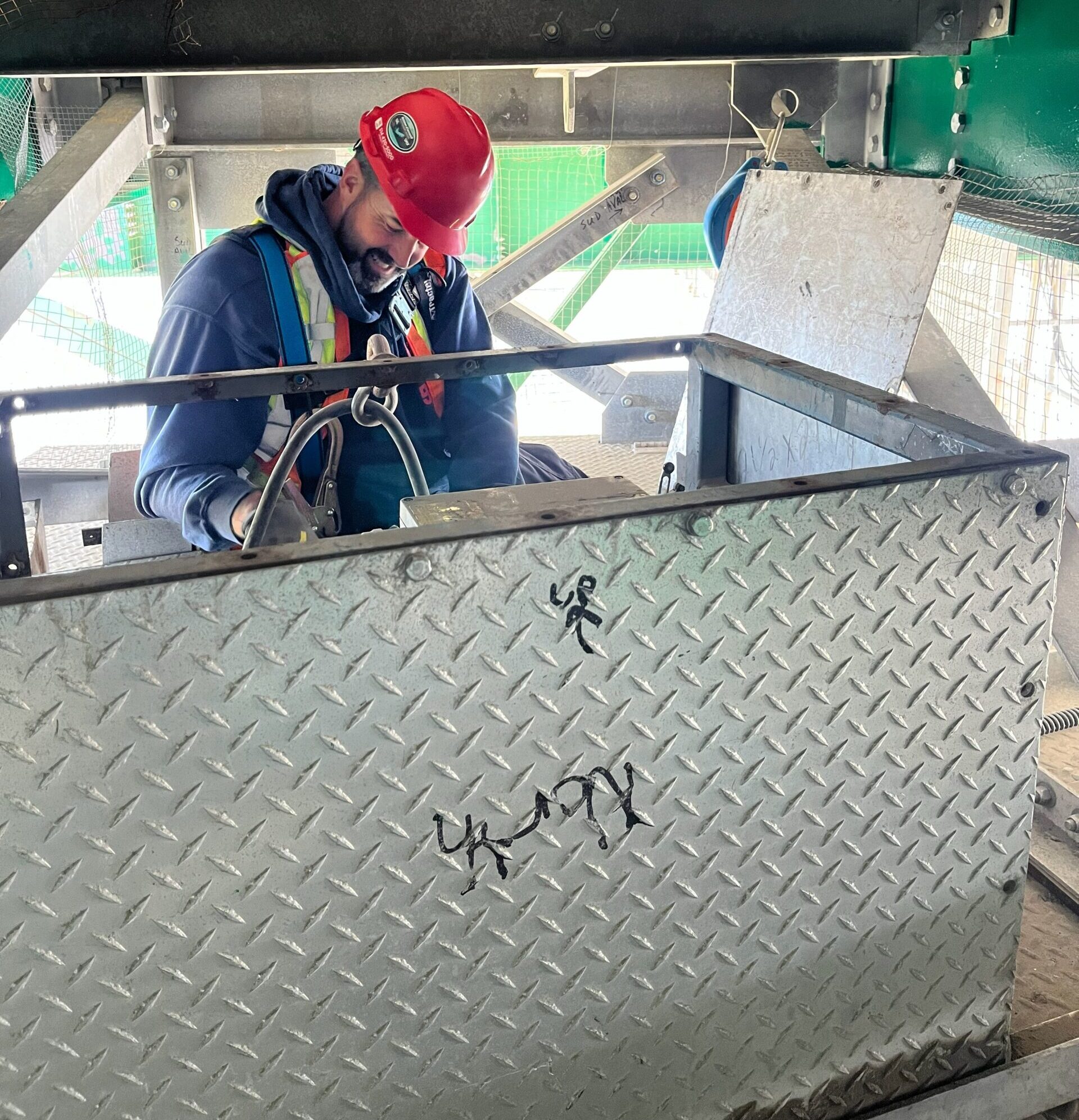
The safety of work at height is based on the reliability of equipment, which cannot be ensured without regular maintenance. Preventive maintenance is not simply a protective measure; it minimizes the risk of accidents, extends the life of devices and reduces costly interruptions. By taking a proactive approach, companies not only enhance safety on their buildings but also optimize their long-term performance.
Why this type of maintenance is so important? What can happen in case of negligence?
The risks of insufficient maintenance
A lack of maintenance can lead to serious consequences. Natural wear and tear of equipment, combined with continuous exposure to external conditions, weakens its reliability. Without regular checks, signs of deterioration may go unnoticed, compromising the safety of workers. Among the risks, we find:
- Severe accidents: A worn-out safety system can fail at the critical moment, causing falls or other serious incidents.
- Unexpected failures: Unverified equipment can fail during an intervention, disrupting work and putting users at risk.
- Non-compliance with standards: Regulations, such as those in the CSA standard, require regular inspections. Failing to comply with it can lead to sanctions and exposes companies to financial penalties.
Why adopt a preventive maintenance program?
Preventive maintenance is not only a safety measure, it also has many advantages for the company, both operationally and financially.
- Prevention of incidents
Regular monitoring helps to detect and repair signs of wear before they become dangerous. A failed anchor point or weakened cable can be replaced in time, reducing the risk of serious accidents. - Limit work interruptions
Equipment that fails due to lack of maintenance can cause project delays. By implementing a preventive maintenance plan, problems are corrected before they affect operations, which helps avoid unplanned downtime. - Extend the lifespan of equipment
Regular maintenance keeps safety systems in good condition, which extends their lifespan. Rather than having to invest in new equipment frequently, well-managed maintenance reduces long-term costs by preserving the efficiency of devices. - Reduction of insurance premiums
Companies that demonstrate proactive safety management often see their insurance premiums decrease. Fewer accidents and better compliance with standards help to limit claims, which is beneficial for insurance costs. - Compliance with regulations
Safety standards require regular inspections to ensure equipment remains compliant. A maintenance program helps to meet these requirements and ensure that the devices meet current safety criteria. This avoids fines while improving the company’s image.
In work at heights, safety is an unquestionable priority. Protective equipment, such as anchor points and lifelines, play a crucial role in preventing accidents. However, to ensure their long-term effectiveness and smooth operation, it is imperative to maintain them regularly. Preventive maintenance is therefore essential as a key element.
Ensure your equipment is always ready to use by investing in a preventive maintenance program now.
